
1
1
1
Packaging Applications
1
1
More uniform cooling reduces warpage, shortens cooling time, and improves cycle efficiency.
Enhanced surface quality and dimensional accuracy help extend mold life.
Ideal for integration with metal 3D printing processes.
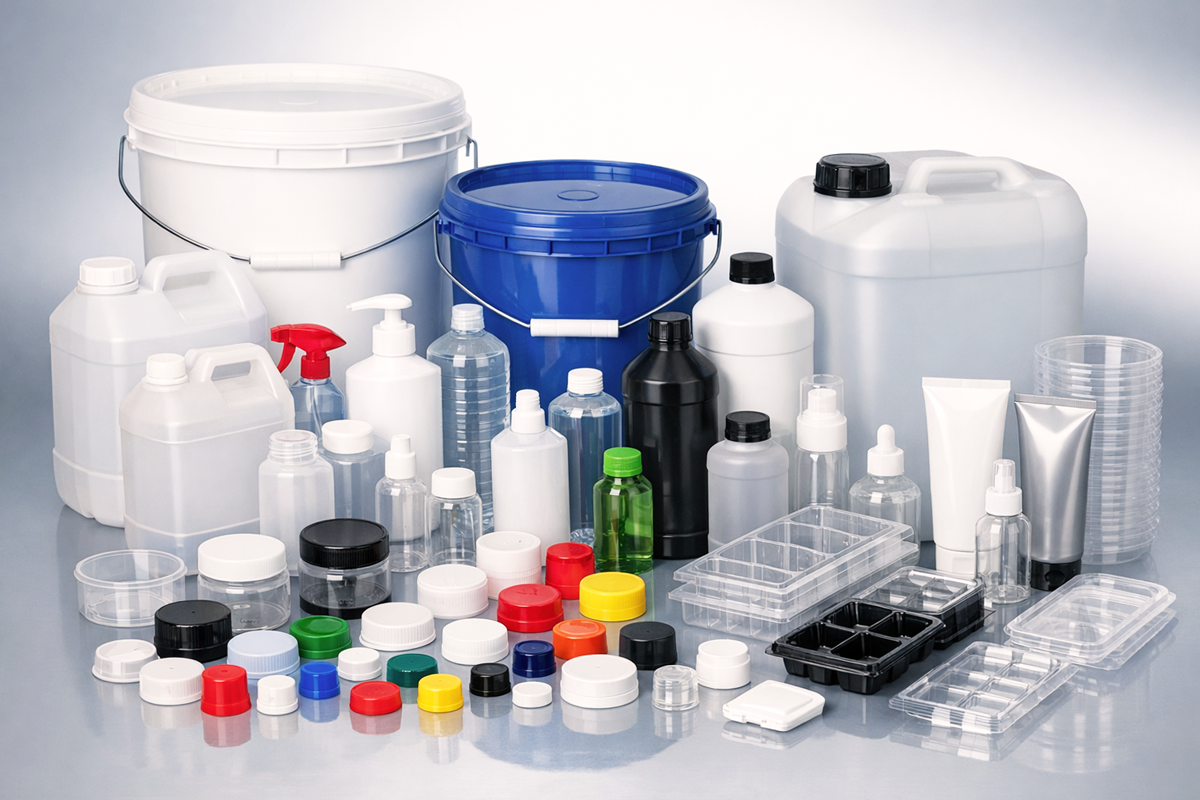
Molds with Conformal Cooling Channel Design
Fast cooling alone does not guarantee quality—uniform cooling is the true foundation of process stability.
- Conformal cooling channels can be precisely designed to follow the sealing ring and thread root geometry, ensuring more even temperature distribution. This results in consistent cap shrinkage, preventing deformation and thread defects.
- Cooling channels follow sealing rings and thread roots, ensuring even temperatures, consistent shrinkage, and improved sealing performance.
- Cooling efficiency increases 20–40%, cycle time is reduced 10–50%, boosting productivity and lowering scrap rates.
-
Consistent product quality and a significant reduction in scrap rates are achieved.
Why Choose Conformal Cooling?
Uniform cooling reduces warpage, shortens cooling time, and improves cycle efficiency.Enhanced surface quality and dimensional accuracy extend mold life. Ideal for integration with metal 3D printing.
常見問題
1. What is the key advantage of conformal cooling?
-
Dimensional stability : Cooling channels follow the base and edges, ensuring uniform temperature and minimizing deformation.
-
Higher molding efficiency : Cooling speed increases by 20–40%, shortening cycle time and boosting productivity.
-
Sealing & snap-fit accuracy : Channels surround snap-fit areas for better temperature control and precise sealing.
-
Extended mold lif e: Uniform cooling reduces thermal stress, significantly extending mold lifespan.
2. What problems can conformal cooling solve?
- Uneven cooling → part deformation
Cooling channels follow sealing rings and thread roots, ensuring uniform temperature and consistent shrinkage.
-
Difficult demolding / ejector marks
Balanced cooling reduces internal stress, improving demolding and ejector stability. -
Sealing ring deformation → poor sealing
Precise cooling around sealing areas maintains ring thickness and improves airtightness. -
Short shots, flow marks, poor crystallization
Optimized temperature distribution ensures smooth melt flow and better surface appearance. -
Long cycle time
Cooling efficiency improves 20–40%, reducing cycle time by 2–3 seconds and increasing output. -
Mold thermal fatigue / cracking
Uniform heat distribution lowers thermal stress, extending mold life by 30% or more. -
Poor mold temperature control → color variation or haze
Stable temperatures ensure consistent appearance, gloss, and color. -
High scrap rate / inconsistent quality
Standardized cooling improves process stability and significantly reduces scrap.
Contact us to unlock new possibilities in mold design.
Get in touch and build the future of manufacturing with us.